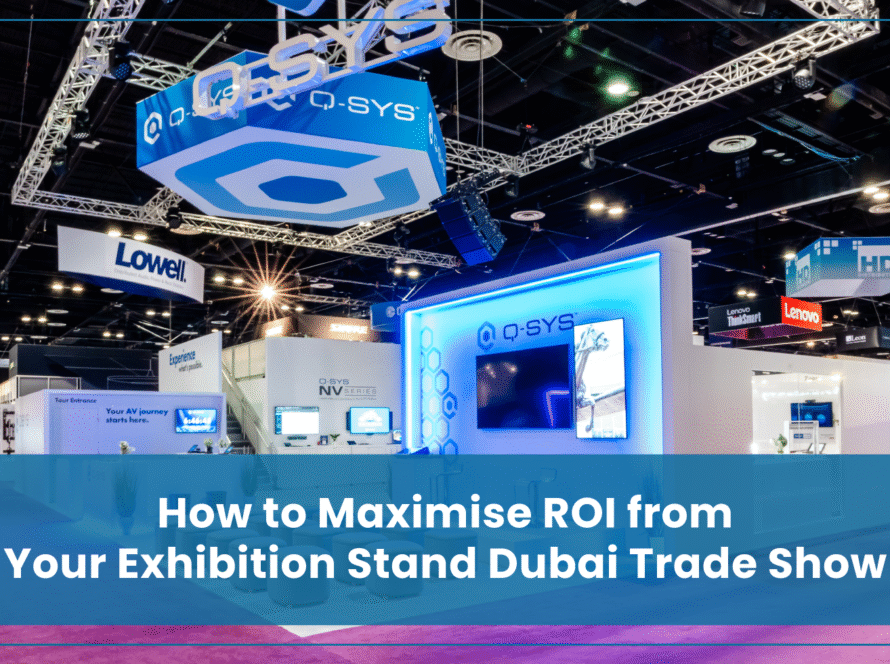
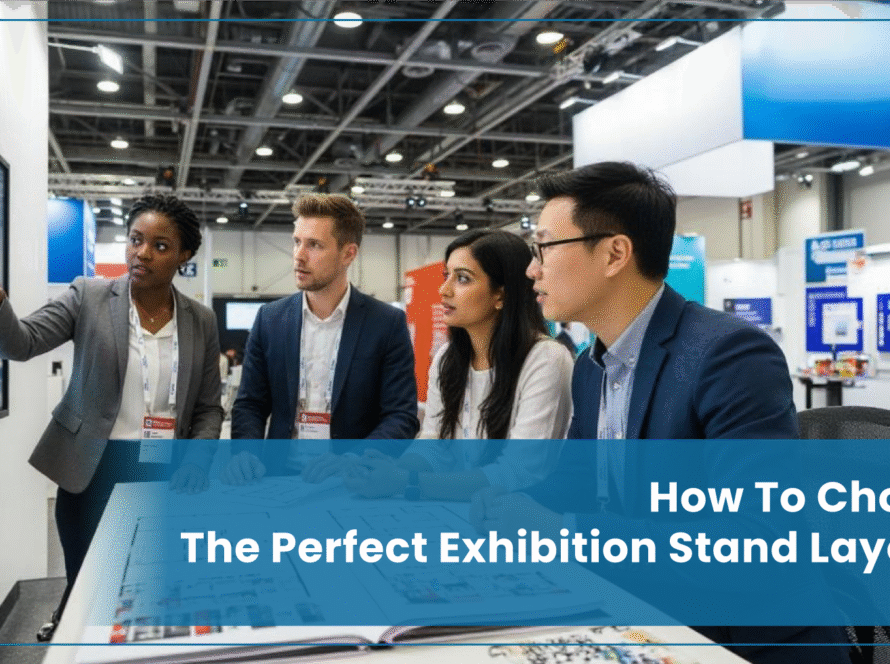
Trade shows in the flooring industry have changed a lot. A decade ago, stacking a few samples on a table and handing out brochures was considered a decent booth setup. That doesn’t cut it anymore, especially at an event like DOMOTEX Middle East. Visitors come to these exhibitions with high expectations and limited time. If your booth doesn’t engage them within the first few seconds, they move on.
Interactive flooring displays have become one of the most effective ways to stop that from happening. And ahead of DOMOTEX Middle East 2026, it’s worth understanding exactly why they work so well, what visitors are looking for, and what kinds of setups are actually drawing crowds.
Why Do Interactive Flooring Displays Attract More Visitors at DOMOTEX Middle East 2026?
Interactive flooring displays let visitors physically walk on, touch, and test actual flooring materials in realistic settings. Walk-on zones, demo pathways, and room-style installations help exhibitors show products in real-world contexts, making it easier for buyers to evaluate quality, durability, and aesthetics before making purchasing decisions.
Why Interactive Flooring Displays Are Important at DOMOTEX Exhibitions
DOMOTEX is not a general trade fair. The people walking through those exhibition halls are flooring buyers, interior designers, distributors, architects, and procurement professionals. These are people who know flooring. They’ve touched hundreds of samples. They can spot a cheap laminate from across the room. So the bar for what counts as an engaging display is genuinely higher here than at most other events.
Static displays, basically a rack of samples with a product sheet next to it, don’t give buyers enough to work with. They can see a material but they can’t assess how it feels underfoot, how it holds up under pressure, how it looks in a lit room environment. Those are the things that actually influence purchasing decisions at this level. Interactive displays answer those questions without the buyer having to ask.
To ensure the most impact at the event, collaborating with an exhibition stand contractor for DOMOTEX Middle East 2026 is an option that will allow you to incorporate interactive flooring showcases into the booth design flawlessly, so to speak.
There’s also a competitive dimension to this. DOMOTEX Middle East draws exhibitors from across the region and internationally. Every booth is competing for the same foot traffic. A display that offers a real, physical experience pulls people in and keeps them there longer. That time on the booth translates directly into conversations, leads, and ultimately sales. So the investment in interactive setup pays back in ways that a static display simply can’t match.
What Visitors Expect from Flooring Exhibitors at DOMOTEX Middle East 2026
Expectations have shifted noticeably over recent exhibition cycles. Visitors aren’t just expecting to be shown products anymore. They want to experience them. That’s a meaningful distinction and it shapes everything about how a successful booth gets designed.
Buyers want to walk on the product. They want to crouch down and look at the grain, the texture, the grout lines. They want to see how a floor looks when it’s laid properly in a room context rather than sitting in a sample frame. Honestly, a lot of them will make up their minds about a product within thirty seconds of stepping onto it, which means the first physical impression carries enormous weight.
There’s also an expectation of product range. Visitors tend to lose interest in booths that only showcase a handful of options. They want to see how different surfaces compare side by side, how a product performs across different installation patterns, and whether the range caters to both residential and commercial applications. The more a display can show in a walkable, tangible format, the longer people tend to stay.
And increasingly, visitors expect some level of digital integration. Not necessarily flashy for the sake of it, but screens showing installation processes, LED lighting demonstrating how a floor looks at different times of day, or digital panels displaying technical specifications on demand. It rounds out the experience in a way that purely physical displays sometimes can’t.
Top Interactive Flooring Display Ideas for DOMOTEX Middle East 2026
Walk-On Flooring Demonstration Zones
A walk-on zone is exactly what it sounds like. A section of the booth where multiple flooring products are installed flat and visitors can actually walk across them. The key is giving each surface enough space that people can take a few proper steps, not just touch the edge with one foot. Comfort underfoot, sound absorption, slip resistance, these qualities only come through when someone is actually walking on the material.
Good walk-on zones are clearly signposted and kept clean. Scuffed or dusty samples ruin the impression quickly. Some exhibitors use different textures in sequence, so visitors move naturally from one product to the next. That flow keeps them in the booth longer without it feeling forced.
Realistic Room-Style Flooring Installations
A room-style installation takes the walk-on concept further by surrounding the floor with appropriate context. A living room setup with furniture and lighting, a bathroom setting with tiles laid properly, a kitchen environment showing how a vinyl floor sits against cabinetry. The goal is giving the buyer a genuine spatial sense of the product rather than seeing it in isolation.
These setups take more space and more investment but the return on attention is significant. People pause. They stand in the space and look around. They picture it in their own project. That’s the kind of engagement that leads to a real conversation at the booth.
Modular Flooring Display Pathways
Modular pathways use interchangeable display panels arranged as a walkable trail through the booth. Each section features a different product or finish. Visitors move through at their own pace, comparing surfaces as they go. It’s a smart format because it guides foot traffic through the entire booth rather than letting people hover at the entrance and leave.
The modular format also makes it easier to update displays between exhibitions or even during the event itself if a particular product is generating more interest than expected.
Digital and LED-Based Flooring Presentation Areas
LED lighting integrated into a flooring display serves a specific purpose: it shows how a surface changes under different lighting conditions. A floor that looks warm and inviting under soft light might look completely different under cool white LEDs. Showing that contrast directly, within the booth, helps buyers make more informed decisions and reduces post-purchase surprises.
Digital screens alongside physical samples can display technical data, installation videos, or certifications without requiring a staff member to relay all of it verbally. It keeps visitors informed even when the booth team is occupied with other conversations.
Product Experience Zones for Flooring Testing
Experience zones take things a step beyond demonstration by letting visitors actively test product durability. Weight-bearing tests, scratch resistance demonstrations, water resistance checks, these are all things buyers want to see before committing to a product for a commercial or high-traffic residential project.
Having a designated area for this kind of hands-on testing signals confidence in the product. It’s also a natural conversation starter for booth staff. When a visitor is actively testing something, they have questions, and that’s exactly when a product specialist can add real value.
How Interactive Exhibition Booth Designs Increase Visitor Engagement
The layout of a booth matters almost as much as the products inside it. An open-plan design with clear entry points invites people in. A closed or cluttered setup does the opposite. Interactive flooring displays work best when the booth is designed around the experience itself, with clear pathways, good lighting, and enough space for visitors to move around without bumping into each other or feeling rushed.
Staff placement is part of this too. Hovering at the entrance and approaching every visitor immediately can feel pushy. Positioning team members within the experience zones, near the walk-on areas or the testing stations, lets conversations happen naturally rather than feeling like a sales pitch. Visitors who feel comfortable exploring on their own are more likely to engage when they have a genuine question.
Dwell time is the metric worth tracking. The longer someone spends in a booth, the more they’re learning, the more they’re engaging with staff, and the more likely they are to become a lead. Interactive displays consistently outperform static ones on dwell time. That’s not a small advantage at an event like DOMOTEX where competition for attention is intense from the moment the doors open.
Benefits of Using Interactive Flooring Displays at Trade Shows
The most immediate benefit is differentiation. A booth with a proper walk-on demonstration zone looks fundamentally different from one with shelved samples, and that difference is visible from a distance. In a packed exhibition hall, standing out visually is half the battle.
Interactive displays also build product credibility in a way that printed materials can’t. When a buyer walks on a floor and it feels solid, when they scratch a surface and it holds up, when they pour water on a tile and it beads off cleanly, that’s direct evidence. It removes doubt faster than any specification sheet.
There’s a relationship-building element too. Interactive booths generate more conversations. More conversations mean more qualified leads. And the quality of those leads tends to be higher because visitors who spend five minutes exploring a product are more genuinely interested than those who grab a brochure and keep walking.
Longer term, a strong exhibition presence builds brand recognition in the market. Buyers remember the booths that gave them a proper experience. They mention them to colleagues. They return on the second day. That kind of word-of-mouth within the exhibition hall is hard to manufacture but easy to earn with the right display setup.
FAQs
What is DOMOTEX Middle East?
DOMOTEX Middle East is a major regional trade exhibition focused on flooring, carpet, and surface coverings. It brings together manufacturers, distributors, designers, and buyers from across the Middle East and internationally. The event is part of the broader DOMOTEX global exhibition network and is one of the most significant flooring industry events in the region.
Why are interactive flooring displays important at exhibitions?
Static sample displays give buyers limited information. Interactive displays let visitors physically assess a product. They can walk on it, test its durability, see it in a room context, and compare it against other surfaces directly. That kind of hands-on evaluation accelerates purchasing decisions and builds trust in the product far more effectively than brochures or digital presentations alone.
What type of flooring displays attract the most visitors?
Walk-on demonstration zones and room-style installations consistently draw the most traffic. They invite people to step in and explore rather than stand at a distance. Displays that combine physical product experience with good lighting and some digital support tend to hold visitors longest. Basically, anything that lets someone actually use the space rather than just look at it.
How can exhibitors increase booth traffic at DOMOTEX?
Open booth layouts with clear entry points help. So does positioning the most visually engaging displays toward the aisle rather than at the back. Walk-on zones work well as a draw because people see others using them and want to try. Good lighting, clear product labelling, and accessible staff all contribute. Pre-show outreach to existing contacts and social media activity before the event also brings people to the booth specifically rather than by chance.
Why should flooring brands use experiential booth designs?
Because flooring is a tactile product. People buy it based on how it feels, how it looks in situ, and how confident they are in its quality. An experiential booth design gives buyers the environment to assess all of those things directly. It shortens the sales cycle, improves lead quality, and leaves a stronger brand impression than a standard display setup. For a product category where physical experience is central to the buying decision, experiential design isn’t optional, it’s just good strategy.