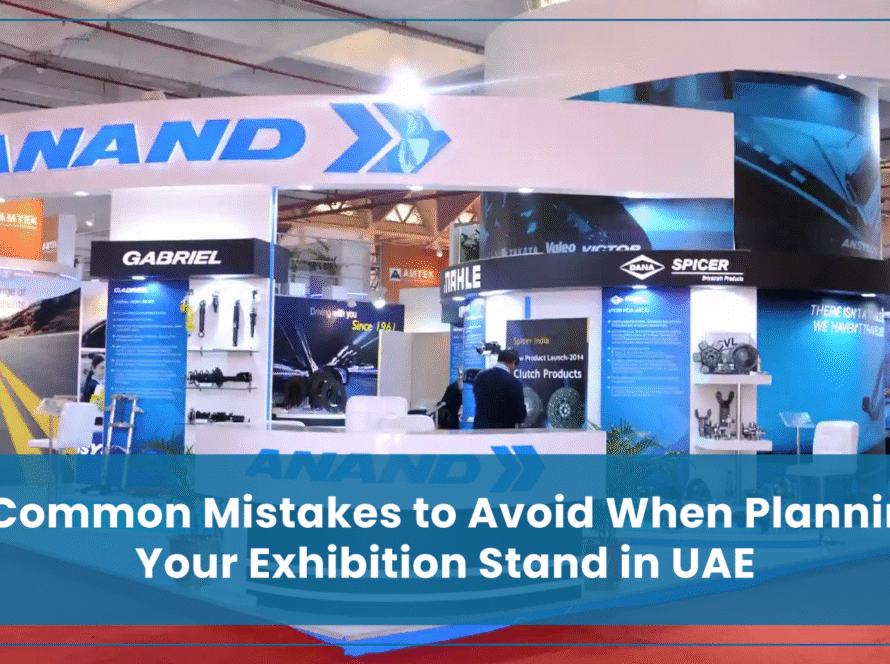
Trade shows still offer something digital marketing can’t fully replace: real conversations, real reactions, and a chance to be remembered as more than a logo on a screen. Meeting potential customers face-to-face creates a level of trust that emails and ads usually struggle to achieve. But anyone who has spent time on a crowded exhibition floor knows how quickly booths blur together. When every stand looks polished and every banner promises innovation, attention becomes hard to earn.
That’s where trade show giveaway ideas start to matter more than most teams expect. A well-chosen giveaway doesn’t just decorate a table or fill a tote bag. It gives people a reason to slow down, to engage, and to stay for more than a few seconds. In many cases, it’s the difference between someone walking past your booth and someone stopping long enough to have a proper conversation.
Good giveaways also do work long after the event ends. They sit on desks, travel in backpacks, get reused in offices, gyms, and homes. Each time that happens, your brand stays quietly present. When giveaways are chosen with intent, they stop being “free stuff” and start acting like long-term brand reminders that support sales, trust, and recall.
The most effective trade show giveaways aren’t about doing something flashy just for the sake of it. They work because they’re useful, make sense for the audience, and actually fit the brand behind them. In this guide, we’ll look at trade show booth giveaway ideas that hold up in real event settings, how to get more value out of what you spend, and why promotional products still matter as we head into 2026.
Why Trade Show Giveaways Matter for Your Business
Trade show giveaways are often treated as a box to tick on an event checklist. Order some items, place them on the counter, and hope for the best. In reality, giveaways can be one of the most flexible and measurable tools available at an event when they’re planned with purpose.
Drive Booth Traffic: Research across the events and promotional marketing space consistently shows that attendees are more likely to approach booths offering giveaways. That first step matters. Every additional conversation increases the chance of lead capture, follow-up meetings, and eventual pipeline growth. Over the course of a multi-day event, those small moments add up.
Generate Quality Leads: The right expo giveaway ideas support several business goals at the same time. They attract foot traffic, especially from attendees who weren’t actively searching for your brand. They also help in reinforcing brand recognition, as they help place your brand in a more everyday context, rather than confining it only in the exhibition hall. They can help in facilitating conversation as well, since anything of use does often help create a dialogue, which is less forced than a hard sell.
Create Lasting Memories: Well-made giveaways don’t disappear the moment the event ends. A decent water bottle, a sturdy bag, or a useful tech accessory usually gets kept and used, not tossed into the nearest bin. When that happens, your brand stays in front of people weeks or even months after the show, which is something very few trade show tactics manage to do without blowing the budget.
Differentiate Your Brand: Finally, creative trade show giveaway ideas help your brand stand out in a sea of look-alike booths. If everybody is offering a standard, unmemorable gift, then offering something a little nicer demonstrates that you went out of your way with this experience. That attention and care, influences perceptions of your products, your team, and your business as a whole.
Strategic Approach: Matching Giveaways to Your Audience and Brand
Before deciding on trade show gift ideas, it helps to pause and be honest about one thing: not every good giveaway works for every booth. Many items look impressive in isolation and still fall flat once the show starts. Usually, it’s not because the item is bad, but because it doesn’t quite fit the people picking it up or the brand handing it out.
When giveaways feel disconnected, attendees notice, even if they can’t explain why. When they fit, the interaction feels easier.
1. Know Your Target Audience
Think about the reality of who is actually walking past your booth. Not the ideal customer profile in a slide deck, but the people moving through the hall with coffee in one hand and a phone in the other. Their roles, energy levels, and reasons for being there matter more than broad demographics.
At tech-heavy events, practical charging solutions tend to disappear quickly because devices rarely last a full day. In healthcare or education settings, simpler items linked to comfort or hygiene often feel more appropriate. Outdoor, fitness, or lifestyle-focused shows usually favour items that can be used on the move rather than at a desk.
The most effective trade show giveaways rarely surprise people. They feel like something that makes sense in that moment, which is often why they get kept.
2. Align with Your Brand Identity
A giveaway should feel like something your company would naturally choose. If it doesn’t, it creates a small disconnect that works against you.
Brands that talk openly about sustainability tend to be judged more harshly when their giveaways contradict that message. In those cases, recycled materials or reusable products do more work than any explanation. But brands that are based on new ideas or efficiency usually do better with modern, useful things than with old-fashioned freebies that don’t feel new.
Here, consistency is more important than diversity. When giveaways match how your brand looks and acts everywhere else, they gently build trust instead of making people wonder.
3. Establish Clear Messaging Strategy
Most giveaways don’t fail because of what’s printed on them. They fail because there’s too much of it.
One clear brand element is usually enough. A logo, a short name, or a simple visual cue tends to work better than crowded messaging. Items that look clean and usable are more likely to stay in circulation, and that ongoing presence is where the real value sits.
If people actually use the item, the branding does its job without asking for attention.
Types of Trade Show Giveaways and When to Use Them
Personalized Trade Show Giveaway Ideas
Personalisation changes how people treat an item. Even small choices, like selecting a colour or adding a name, make a giveaway feel less disposable. On-the-spot engraving, custom patches, or limited design options all fall into this category.
Some brands also use photos or shareable moments tied to the giveaway. Those tend to travel further than the booth itself, especially when attendees post them online.
Personalized items naturally support engagement because a small exchange of details feels reasonable.
Budget-wise, full customisation isn’t always necessary. Choice alone often does the job.
Tech Items and Accessories
Tech giveaways continue to earn their place because they solve problems people are already dealing with during the event. Phones lose charge, laptops need support, and convenience becomes valuable when schedules are packed.
Power banks, charging cables, wireless pads, phone stands, webcam covers, and laptop accessories are common for a reason. USB drives still have a role in some industries when they carry content worth opening. Higher-end items like speakers or earbuds can work too, but only when quality is obvious.
These products tend to move from the show floor into daily routines, which is where brand visibility lasts.
Eco-Friendly and Sustainable Trade Show Giveaways
Sustainability is no longer something attendees overlook. Many notice materials, packaging, and waste, even if it’s not part of the conversation.
Eco-friendly expo giveaway ideas make that consideration visible. Recycled tote bags, reusable bottles, seed paper, bamboo products, and recycled notebooks signal intent without explanation. They typically lead to better interactions, especially with groups who want to build long-term relationships instead of just getting fast gains.
When done well, these giveaways feel thoughtful rather than performative.
20 Best Trade Show Giveaway Ideas for 2026
What works at trade shows in 2026 hasn’t changed dramatically, but expectations have. Attendees are quicker to judge whether something is useful or just another item they’ll leave behind at the hotel. The giveaways that perform best are the ones that fit naturally into the day people are already having, rather than asking them to make space for something new.
1. Custom Tote Bags
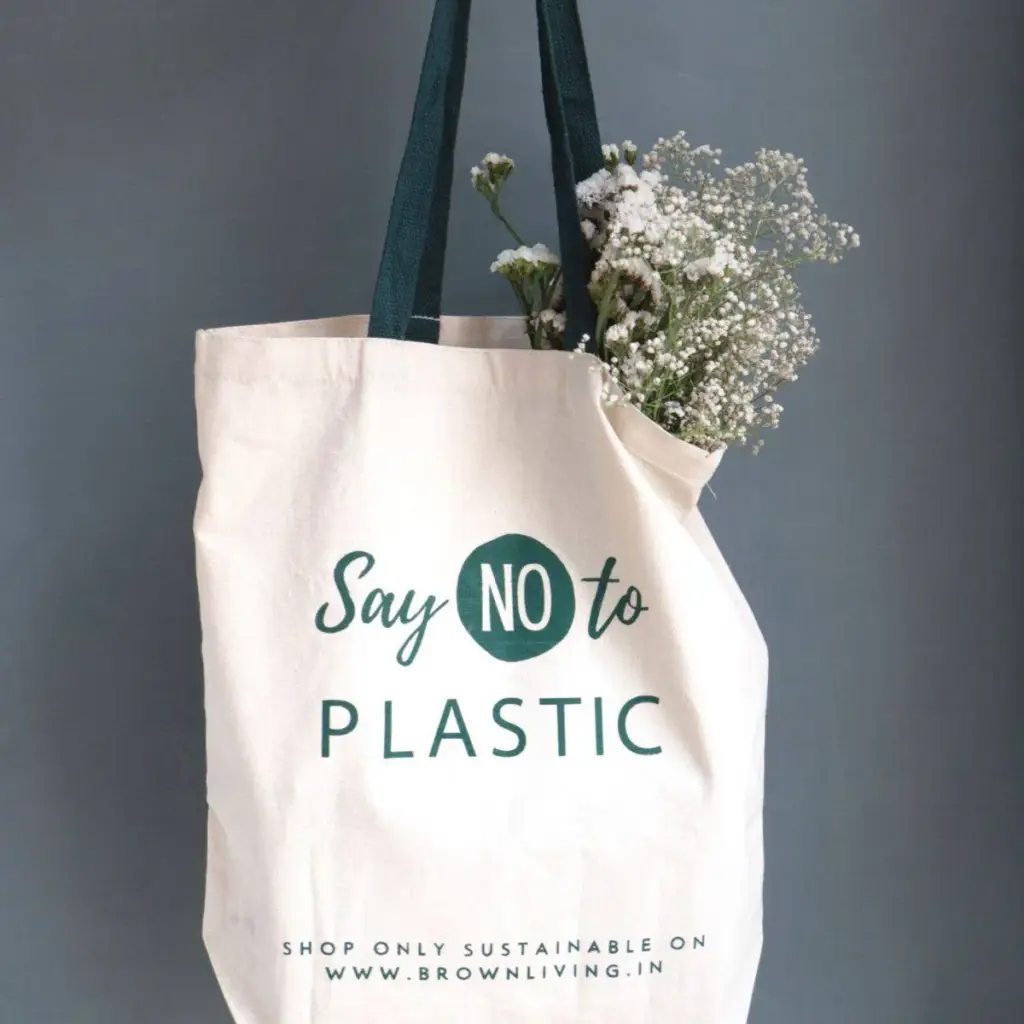
Tote bags earn their place because they are useful almost immediately. Within minutes of arriving, attendees are juggling brochures, samples, and other materials, and a sturdy tote solves that problem on the spot. When made from recycled or organic cotton, they feel more considered and less disposable. Clean, confident branding tends to work better than busy designs.
Why They Work:
Many individuals utilize these items as a means of keeping in touch post-event, as well as regularly using them when at home, going to the gym, and doing grocery shopping, etc.
Budget Range:
$3–$15 per bag depending on fabric choice and print quality.
2. Branded Water Bottles
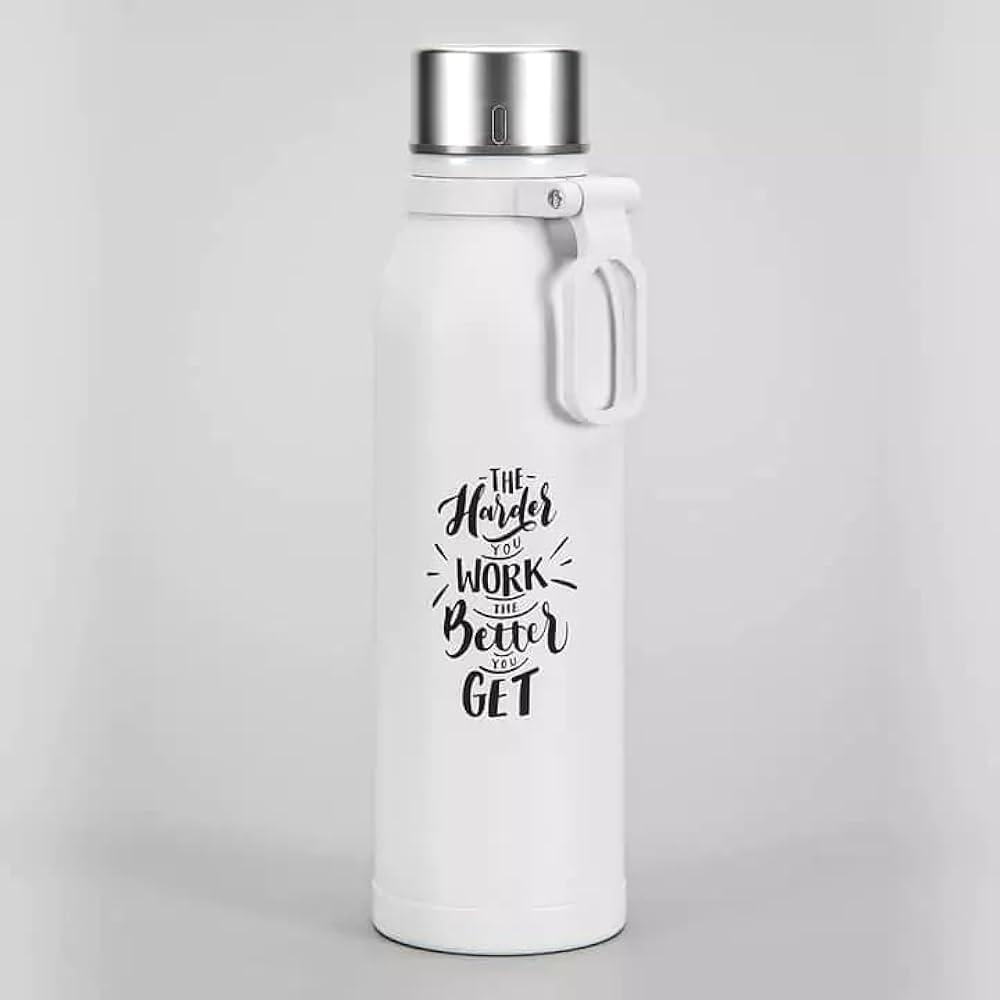
Long hours on the show floor make water bottles an easy win. Stainless steel or insulated bottles don’t feel like promotional items; they feel practical. They also sit comfortably within current conversations around wellness and sustainability, which makes them easier for attendees to accept and keep.
Why They Work:
They meet a basic need and stay in sight in offices, gyms, and travel bags long after the event is over.
Budget Tip:
A small range of colour options adds a sense of choice without affecting production costs.
3. Portable Power Banks
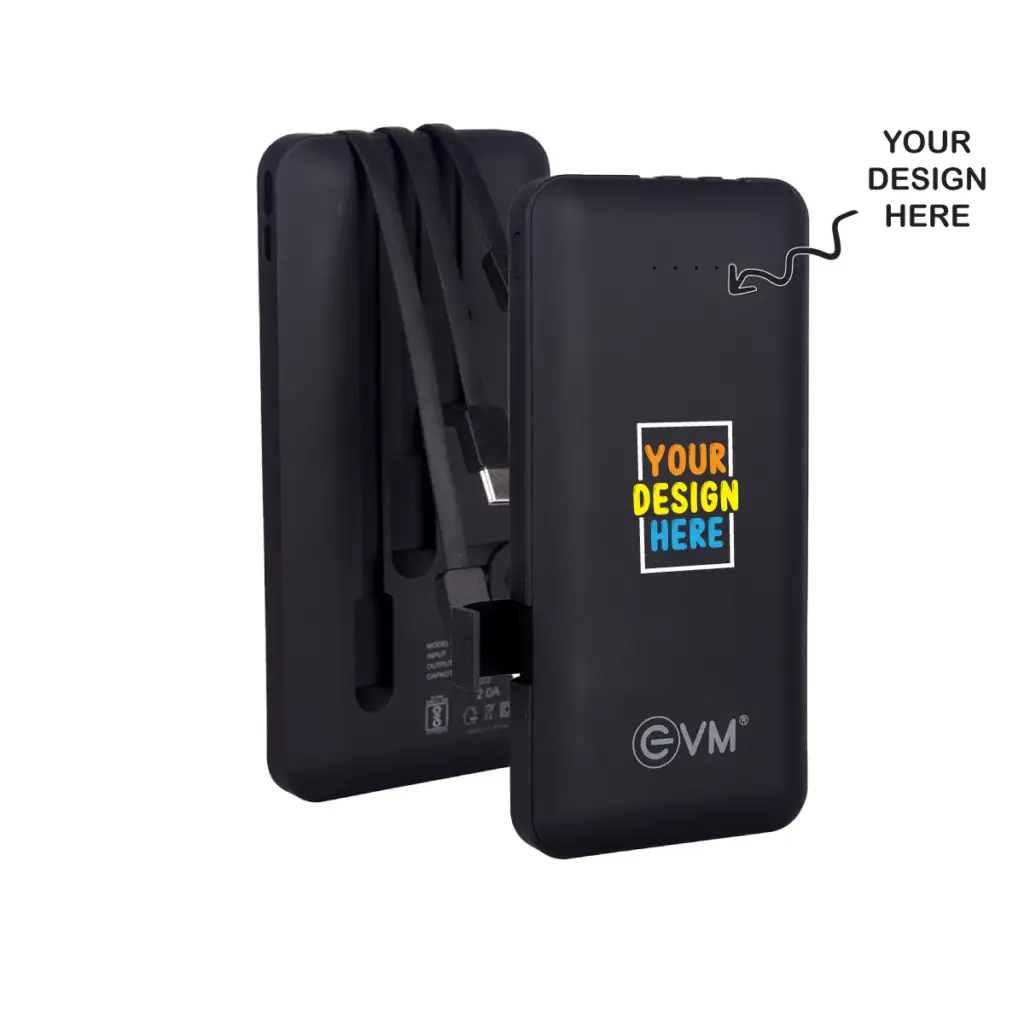
Few things drain faster at a trade show than a phone battery. Power banks address that frustration immediately, which is why they continue to perform well year after year. They also subtly make your company seem helpful instead of pushy, which is very important for tech-savvy audiences.
Why They Work:
They give you rapid relaxation, feel useful, and may be used again and again at work and on the go.
Budget Strategy:
Devices with less capacity work well for regular traffic, however devices with more capacity can be used for longer talks.
4. Quality Branded Pens
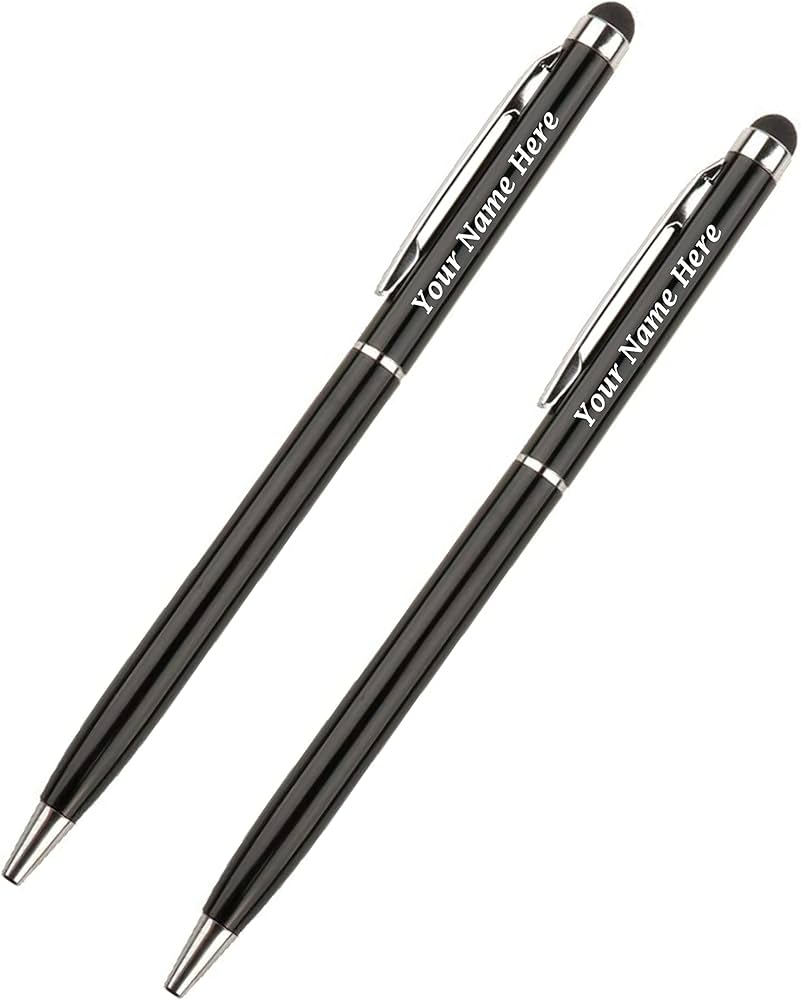
Pens haven’t disappeared, but expectations around them have changed. Cheap plastic pens rarely survive the day. Pens with some weight, texture, or natural materials are far more likely to be kept and used. Additionally, when a person receives an engraved version of an item, it also provides them with a feeling of luxury.
Why They Work:
Also, they are inexpensive and simple to distribute; however, they are equally beneficial in meeting and session formats.
5. Die-Cut Custom Stickers
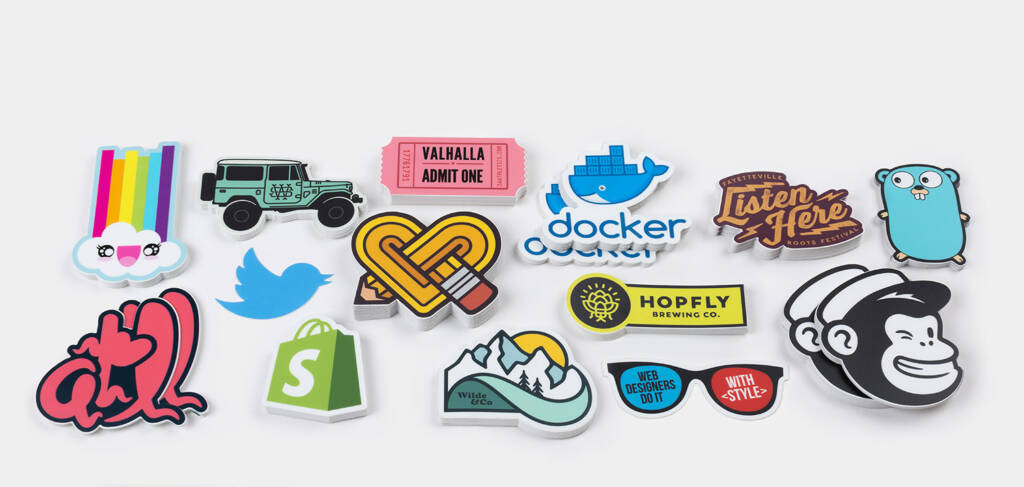
Stickers that look like they were produced for a certain reason are more interesting. Vinyl stickers that are made well can survive for months on laptops, notebooks, and water bottles. They are great for creative people, students, and anyone who are establishing a business.
Budget Tip:
Giving out a small sheet with a lot of designs makes it seem more valuable without raising the cost.
6. Branded Caps and Headwear
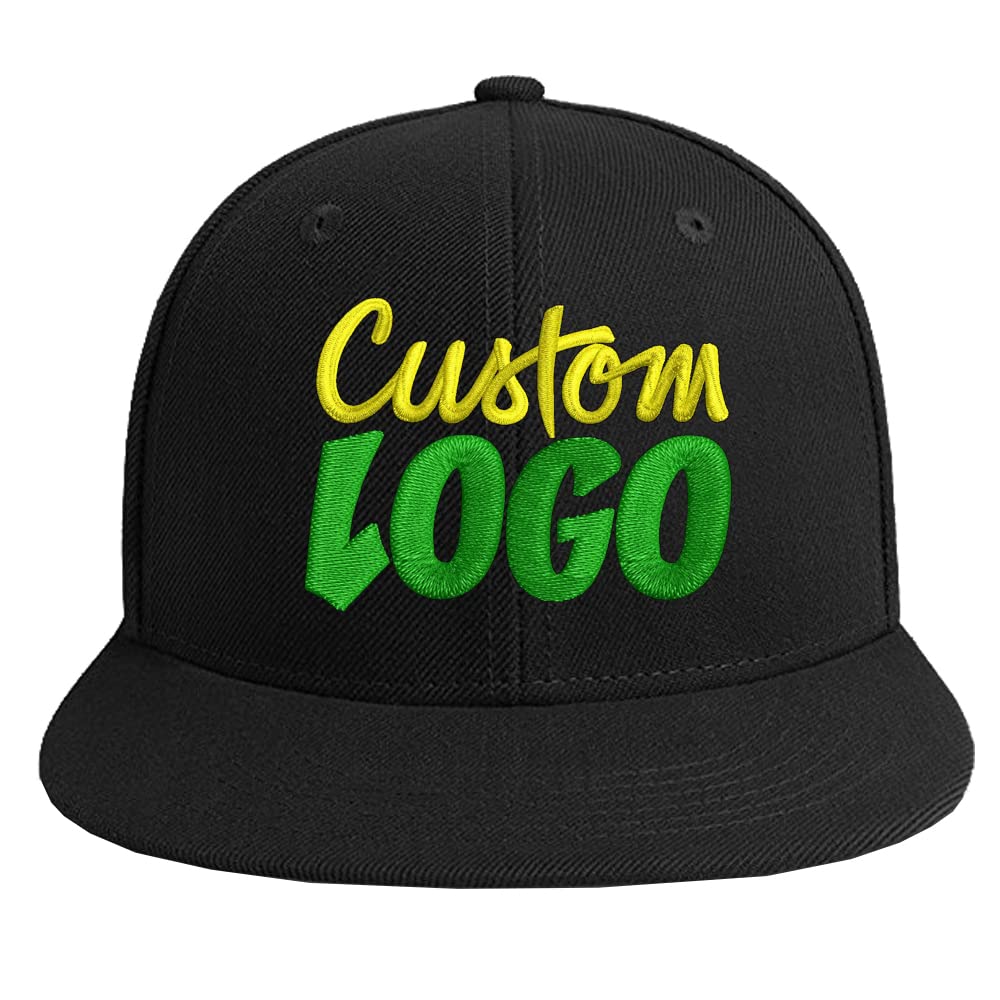
Headwear works when it’s wearable in real life. Neutral colours and simple designs get worn more often than bold logos. Seasonal choices, such as caps for summer or beanies for colder months, also help improve uptake.
Why They Work:
Also, people continue to wear the items casually, therefore making the brand familiar to people outside of the event.
7. Custom Luggage Tags
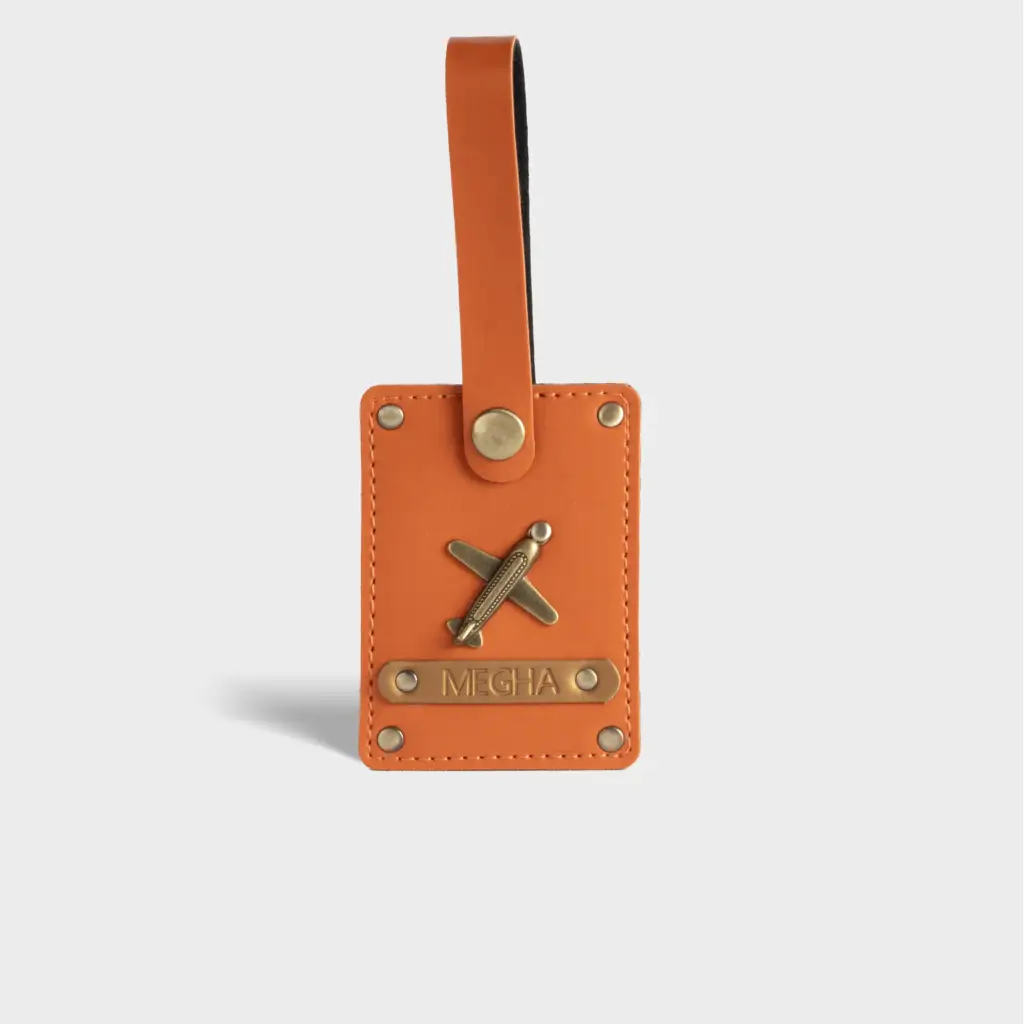
Many trade show attendees travel frequently, which makes luggage tags a natural fit. When made from durable materials and branded subtly, they feel more like a travel accessory than a giveaway.
Why They Work:
They show up repeatedly in airports, hotels, and transit areas over time.
8. Branded Lip Balm

Lip balm often surprises people by how welcome it feels. Air-conditioned venues and long days can be uncomfortable, and a small item that addresses that quickly feels thoughtful. Keeping flavours neutral and packaging simple helps ensure it appeals to a wide range of attendees.
9. Multi-Functional Keychains
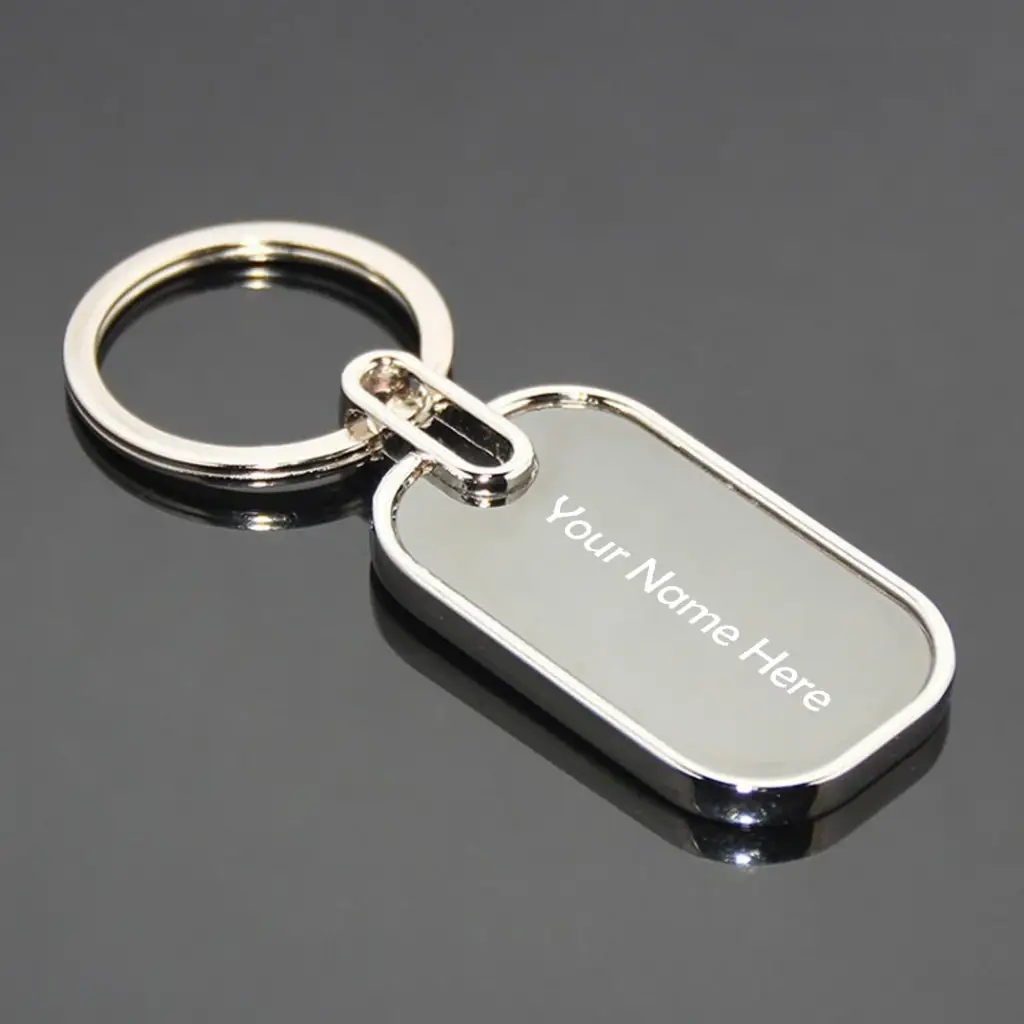
Keychains are only useful when they do more than just hold keys. Features like bottle openers or phone stands make them useful enough to keep. Because keys are carried every day, these items tend to stay in circulation longer than many other giveaways.
10. Custom-Wrapped Candy and Chocolate
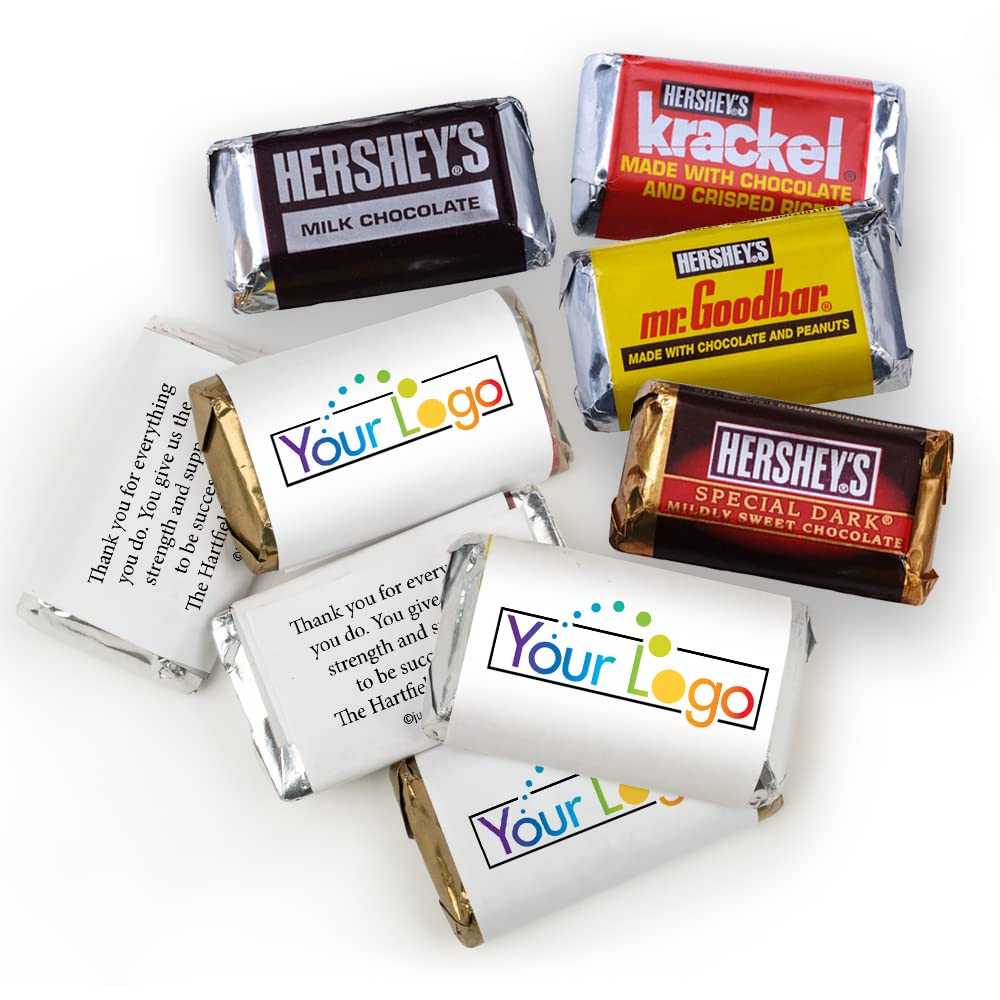
Food giveaways are better as an invitation than as the main event. People are more likely to stop by your booth if you have wrapped candy. They don’t give you long-term exposure, but they do help you initiate conversations.
11. Branded Hand Sanitizers
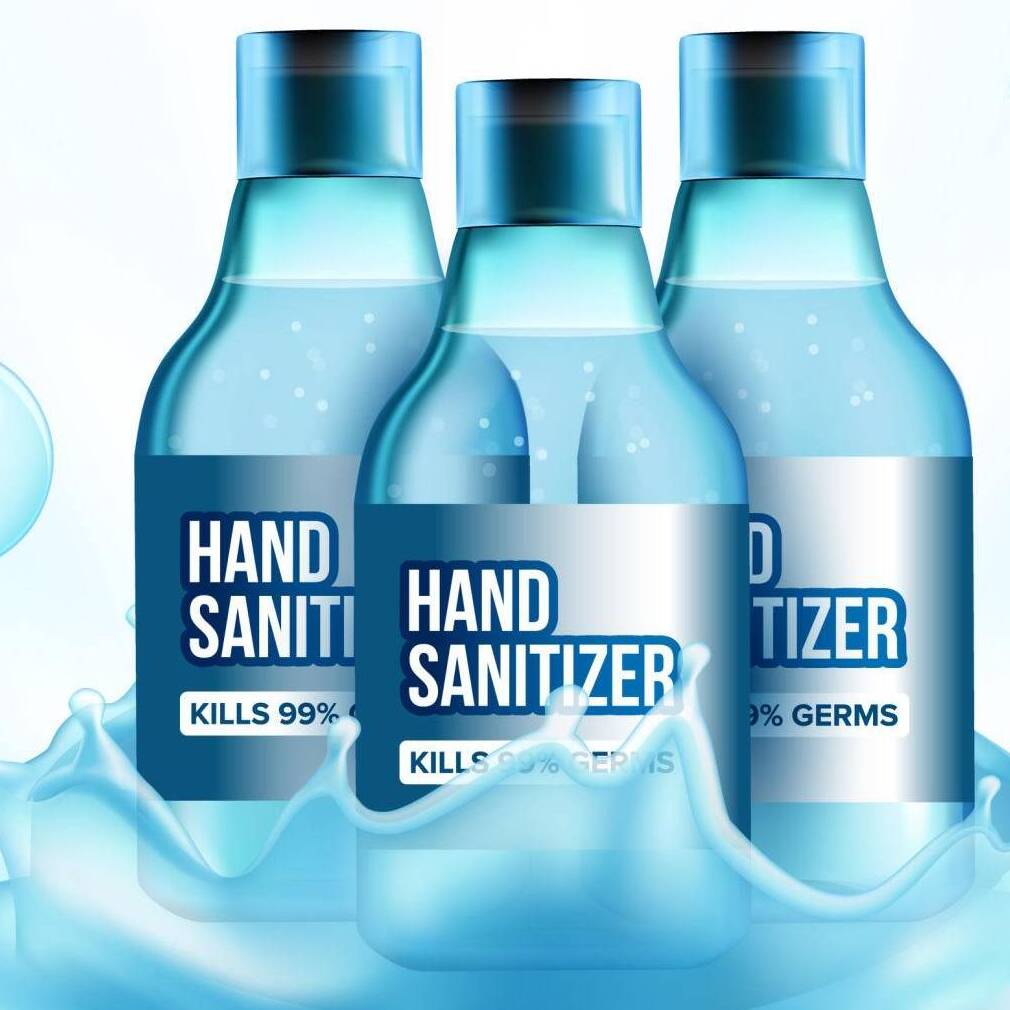
Sanitising is now an accepted habit, particularly during large gatherings. Hand sanitiser pocket-sized containers are easy to carry and accessible for use throughout the day. The use of discrete branding on these products helps them remain discreetly branded and non-promotional in their use.
12. Custom Mugs and Tumblers
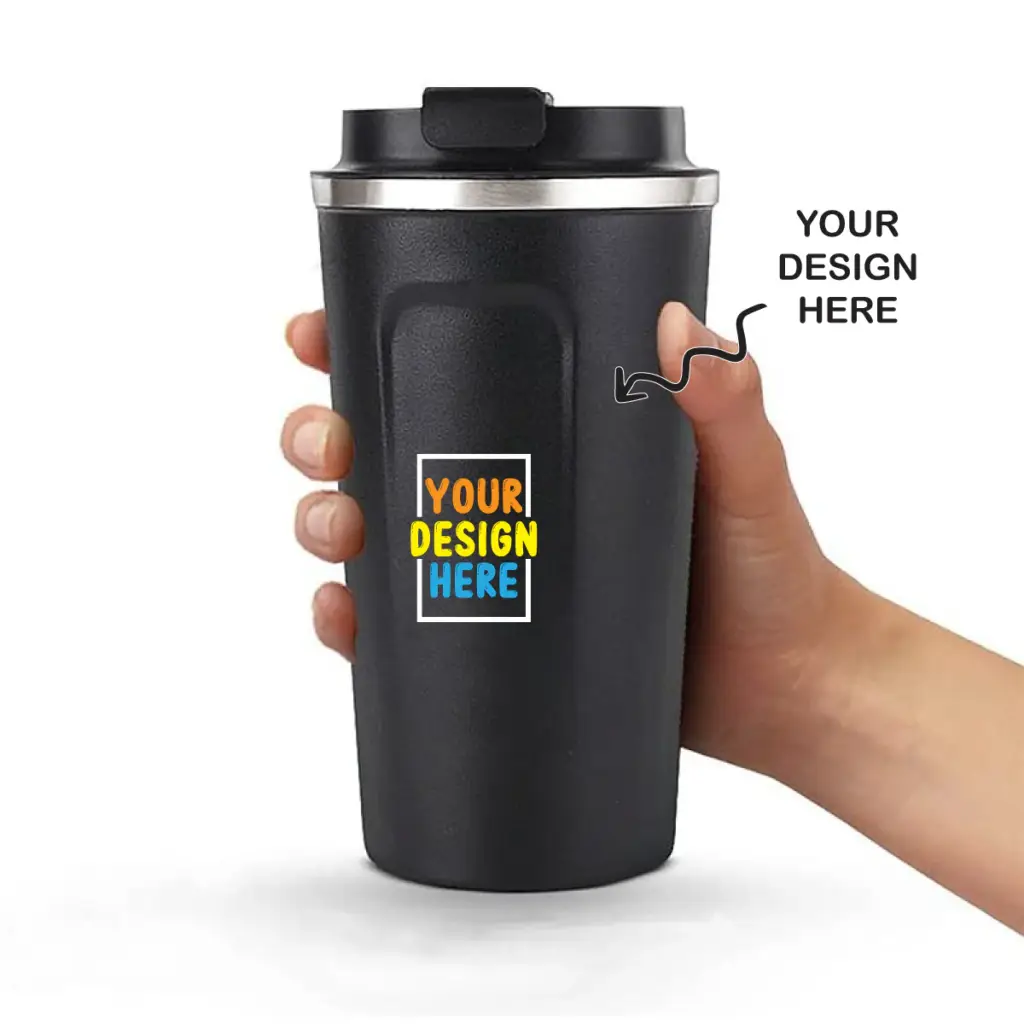
Drinkware gives you visibility that lasts long after the event. Once a mug or tumbler makes it onto someone’s desk, it tends to stay there. Insulated versions feel especially premium and justify a higher price point.
13. Custom Sunglasses
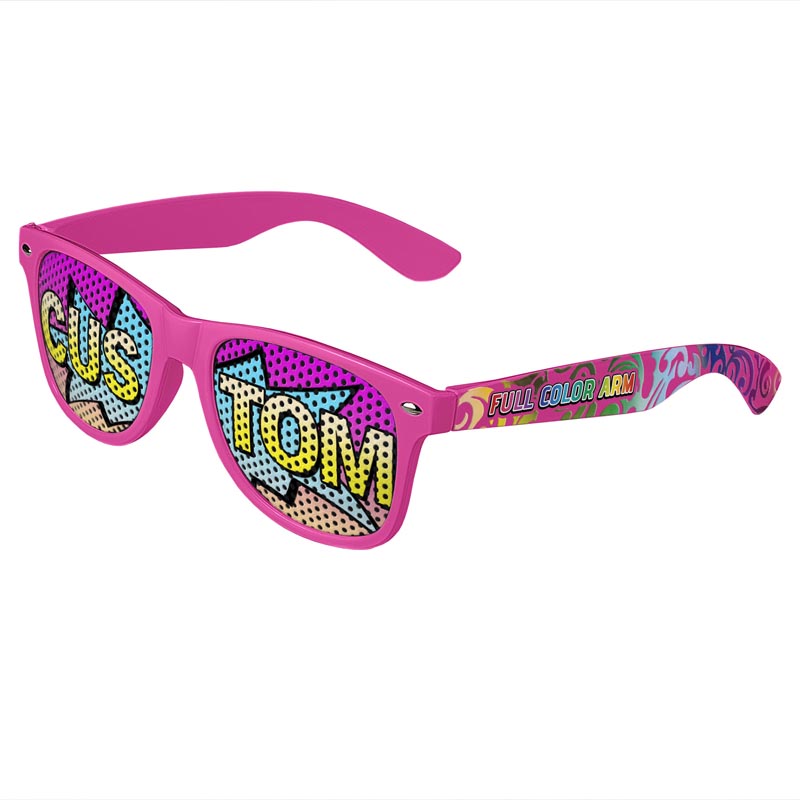
Sunglasses work best at outdoor or summer events, where they feel timely rather than forced. Simple shapes and wearable colours help ensure they’re actually used. They also tend to show up naturally in photos, extending reach without effort.
14. Premium Notebooks and Journals
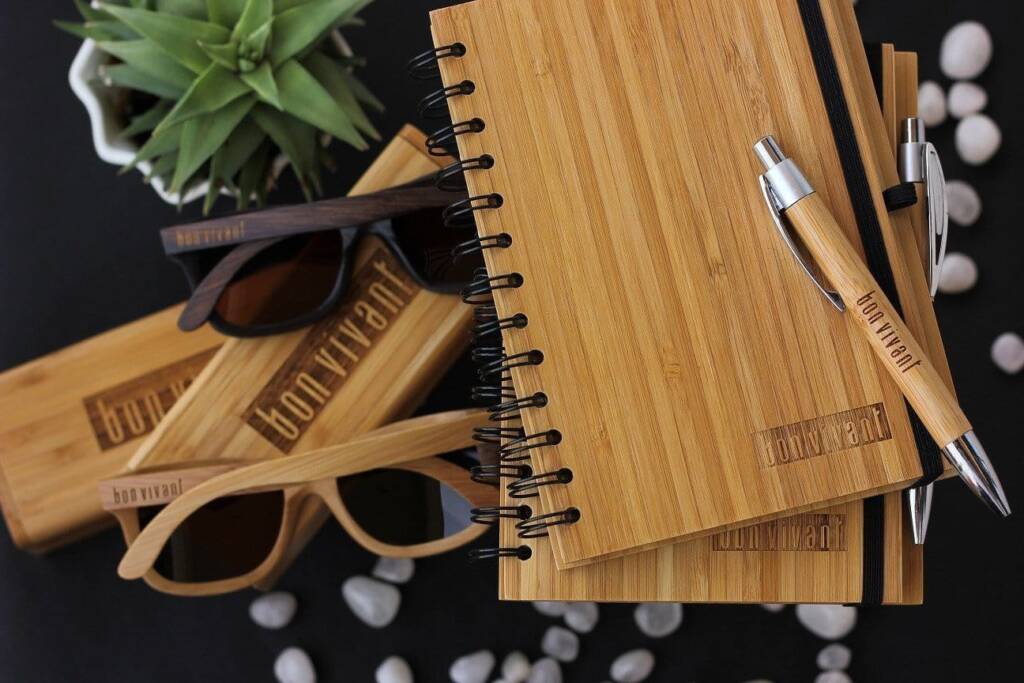
Even if there are digital tools, a lot of people still like to write things down. A quality notebook is a professional item that can be used to take notes in meetings and during planning activities. A small logo allows the notebook to be integrated into everyday life.
15. Phone Wallets and PopSockets
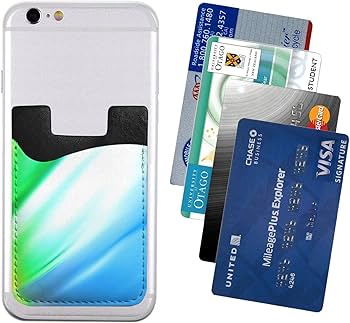
Because a mobile phone is always being used, accessories for mobile phones continue to be visible during day-to-day use. Card holders, grips, and stands add to the convenience and allow you, as a business owner, to keep your brand in view all day long.
16. Custom Stress Balls
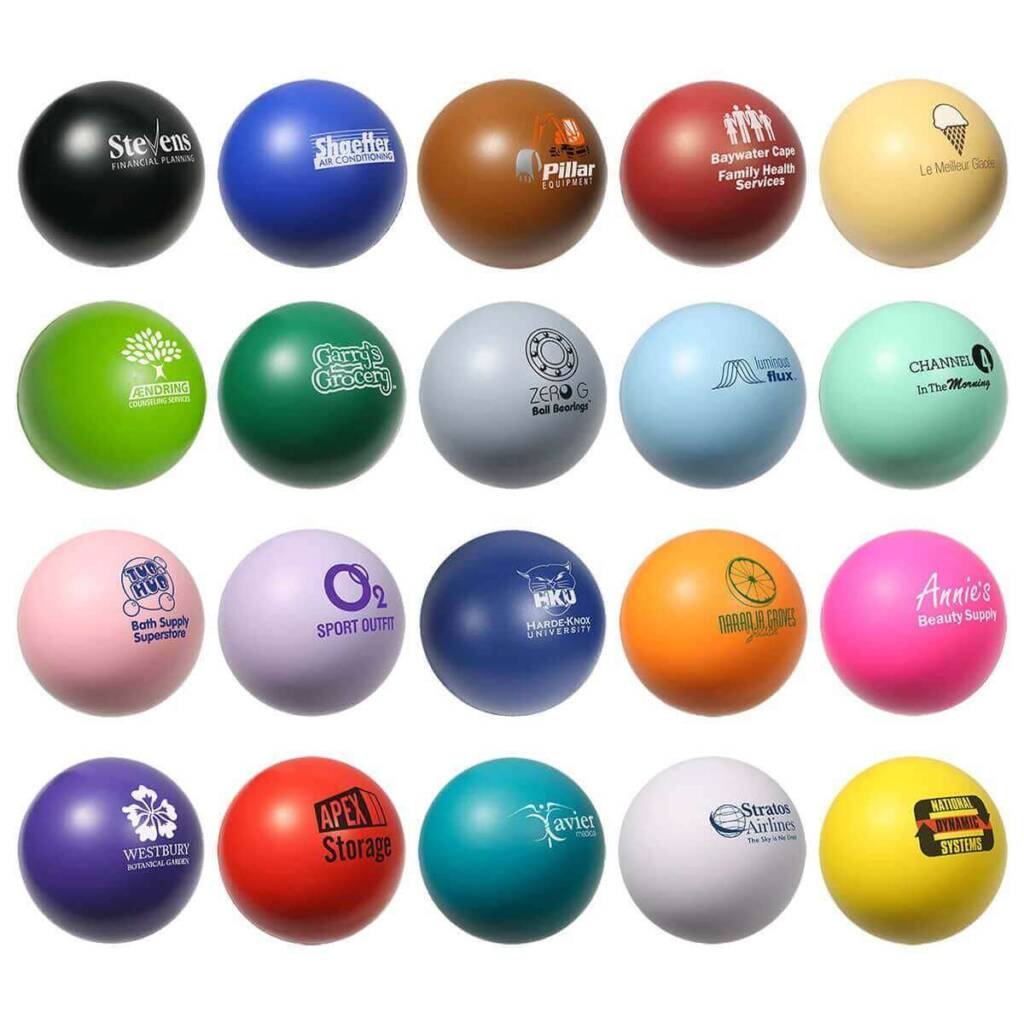
Stress balls function best when they look like something from your field. Unique shapes increase memory retention and encourage the item to remain on an end user’s desk after the event.
17. Cooling Towels
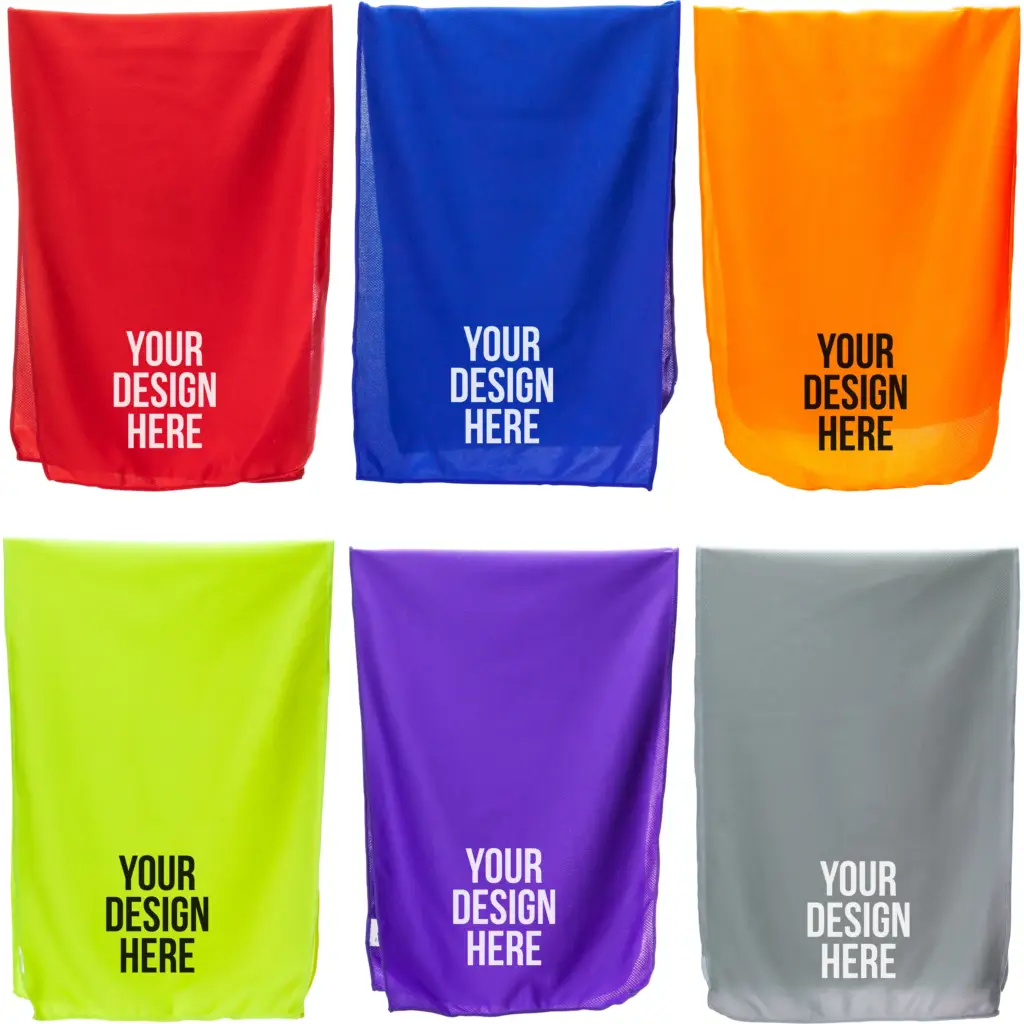
In crowded or warm venues, cooling towels stand out quickly. They provide immediate comfort and are often reused for workouts or outdoor activities, which extends their lifespan well beyond the trade show.
18. Privacy Webcam Covers
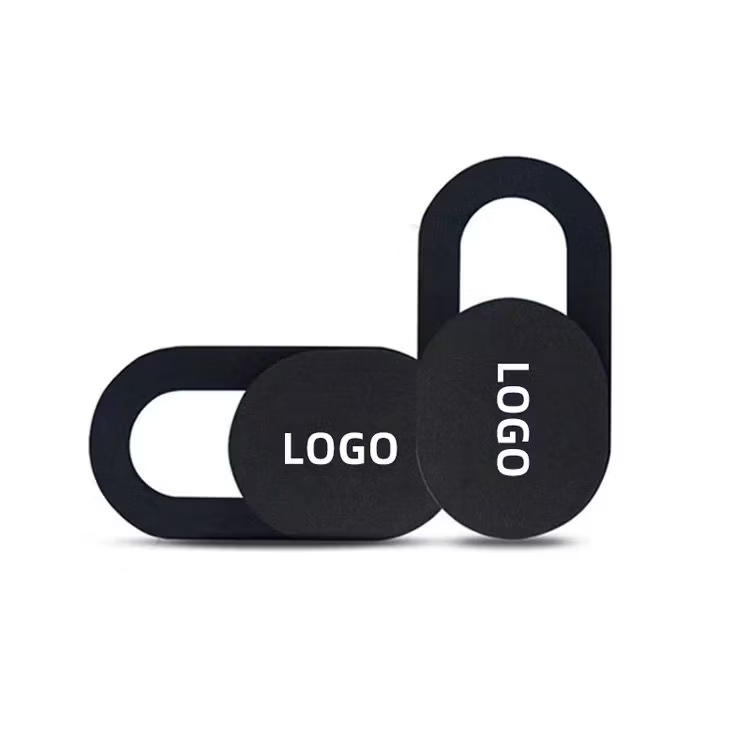
Webcam covers address a small but common concern. They’re discreet, easy to apply, and feel relevant to modern work habits. Despite their size, they’re often kept and used regularly.
19. Eco-Friendly Drawstring Bags
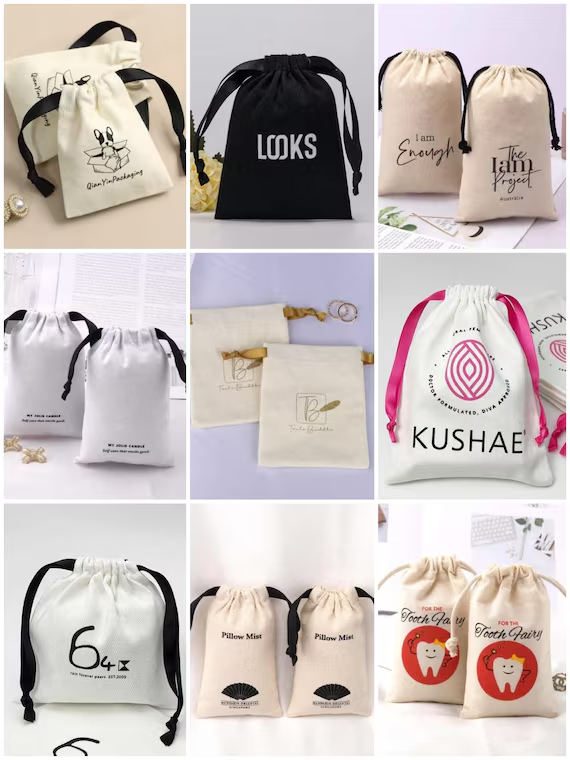
Drawstring bags are a good mix of being light and useful. Eco-friendly versions provide a message about sustainability without being to be explained. Their everyday usefulness helps keep them in circulation.
20. Pre-Loaded USB Flash Drives
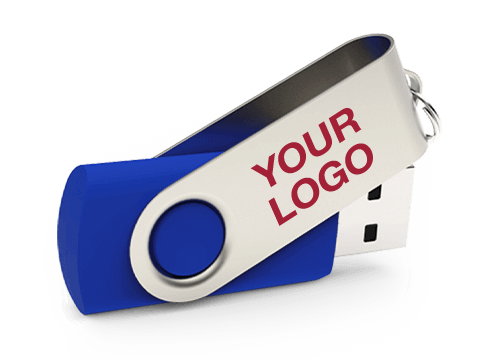
USB drives still have a place when used carefully. Pre-loading useful, clearly labelled content adds value and reduces friction. They work best for general business audiences rather than highly security-sensitive environments.
Budget-Friendly Strategies for Maximum Impact
There’s a common assumption that good trade show giveaways require big budgets. In practice, that’s rarely true. What matters more is knowing where money actually makes a difference and where it doesn’t. A smaller budget, planned early and used with intent, often outperforms a larger one that’s spread too thin.
Implement Tiered Gifting Systems
Not everyone who stops at your booth is at the same stage, and your giveaways don’t need to treat them that way. Quick interactions can be supported with simple items like stickers, pens, or candy. These do the job without adding pressure. Greater value items become more meaningful after someone has invested time in something, whether through a demonstration, detailed questions, or planning for a future follow-up. Separating promotional give-away items by value allows you to predict your costs and not supply a more valuable item to someone who will have no future engagement. A well-planned strategy by a corporate event management company can enhance brand recall.
Buy in Bulk
Bulk ordering sounds obvious, but it only works when timing is right. Suppliers tend to offer meaningful discounts once you cross certain quantity levels, and those savings add up fast. Ordering more than you need for a single show isn’t wasteful if the items can be reused. Leftover stock often ends up being useful later, whether for smaller events, sales meetings, or welcome kits.
Swap One Element Per Show
Trying to reinvent your giveaway lineup for every event usually creates more work than impact. A better approach is to keep one reliable item consistent, something you know performs well. Around that, rotate a secondary item from show to show. This keeps things feeling fresh for repeat attendees without forcing a complete redesign each time.
Ship in Advance
Budgets often get hit hardest right at the end. Rush production fees, expedited shipping, and last-minute fixes add costs that were never planned for. Ordering earlier and shipping directly to the venue removes most of that risk. It’s usually cheaper, calmer, and gives you space to deal with problems before they become expensive ones.
Offer Choice Without Customisation
People like having a say, even in small ways. Offering the same product in a few colours or styles creates that feeling without adding complexity. It avoids the cost and logistics of on-site personalisation while still making the giveaway feel less generic and more considered.
Strategic Distribution: When and How to Give Away Items
Most teams spend weeks deciding what to give away and about five minutes thinking about how it’s handed out. That’s usually where things go wrong. Distribution shapes the experience far more than people expect. Timing, placement, and behaviour on the booth floor all influence whether a giveaway creates a real interaction or just disappears into someone’s tote bag.
Guide Traffic Flow Intentionally
If giveaways are placed right at the front, people will do exactly what you’d expect. They grab the item, nod politely, and keep moving. When items are positioned further inside the booth, movement slows down. Attendees naturally drift past screens, signage, or demos before reaching the giveaway. Nothing feels forced, but the space does more of the work for you.
Active Distribution Over Passive Tables
Unattended giveaway tables remove the human layer completely. Once items are just sitting there, the interaction is already over. When staff offer giveaways directly, even casually, it changes the tone. A handover creates a moment. That moment often leads to a comment, a question, or at least a few seconds of attention that wouldn’t exist otherwise.
Use Giveaways as Conversation Starters
The most effective giveaways don’t come at the end of a pitch. They come mid-conversation. Offering a power bank when someone mentions low battery, or suggesting a bottle while explaining a product, feels natural. It keeps the exchange grounded and practical, rather than sales-led. The giveaway supports the conversation instead of replacing it. Creative giveaways are often managed by expert corporate event organisers, who ensure your brand stands out at exhibitions.
Combine Giveaways with Lead Collection
Higher-value items work best when they’re attached to a small action. That doesn’t mean lengthy forms or awkward pressure. Simple steps like scanning a badge, joining a demo, or registering via QR code feel reasonable to most attendees. Also, giving away items creates a clear indication of interest; the amount of interest people show in these situations has more significance than just the quantity of foot traffic later on.
Plan Quantities Strategically
In general, more items that are given away for free does not necessarily lead to an improvement in outcomes, particularly for smaller events that are less than 400 people attending, usually, 300 will be more than sufficient to keep up the momentum and avoid giving out too many at the early stages; for larger scale events, the expected attendance is over 2000 people, therefore providing 500 freebies may adequately close the gap for demand for the items. Reaching somewhere between a quarter and two-thirds of total attendance is typically a strong outcome. For items everyone wants, raffles help manage expectations without frustration.
Measuring the Impact of Your Trade Show Giveaway Strategy
Giving items away is easy. Understanding whether they did anything useful afterward is where most teams struggle. That’s why it helps to decide upfront what success actually looks like. Without clear signals to watch for, giveaways end up feeling busy rather than effective.
Awareness Metrics
Some impact shows up almost immediately. QR code scans, short URL visits, and landing page traffic give early signals that people noticed and acted. Social activity matters too, even when it’s informal. Tagged photos, mentions, or casual booth shout-outs often say more about visibility than polished campaign posts. Branded hashtag use across platforms helps round out the picture.
Engagement Metrics
Engagement goes a step deeper than visibility. Look at how giveaways connect to behaviour. Demo participation, session attendance, or gated content downloads tied to specific items all help show what actually held attention. Newsletter sign-ups that happen during or right after the event are another useful indicator that interest didn’t stop at the booth.
Pipeline Metrics
This is where leadership usually starts paying closer attention. Track meetings booked during the event and in the weeks that follow. Where possible, map these conversations back to how people engaged at the point of giveaway. Measuring created opportunities and the cost per qualified lead will help to clarify whether your expenditure resulted in actual momentum toward making a sale.
Longevity Metrics
There are also continual opportunities associated with giveaways, long after the event. Short (30 day and/or 90 day) follow-up surveys will help you determine what products are still being used and remembered. Furthermore, ongoing user-generated content (UGC), casual mentions through social media channels, and heightened brand recall during follow-up calls are indications of a stronger continuing impact of a giveaway that might not be discovered if you are only looking at immediate results.
Pro tip: Using different QR codes or short URLs on separate giveaway products will make it substantially easier to track results by product rather than trying to determine what products created the most engagement based upon the popularity of the items at the booth.
Trade Show Giveaway Trends for 2026: What’s Next
Intent is more important to the perception of giveaways than trends; however, trends still factor into how giveaways are perceived. In 2026, giveaways will be perceived as products that are thoughtful, useful, and easy to justify.
Sustainable Materials and Packaging
Sustainability is no longer a bonus feature. Attendees notice materials, packaging, and waste more than they used to. Brands that choose recyclable or reduced packaging often stand out quietly, without needing to explain themselves. These expo giveaway ideas tend to resonate especially well with partners thinking long-term.
Cost-Efficient Micro-Tech
Smaller tech items are gaining ground because they solve everyday problems without inflating budgets. Multi-port cables, slim power banks, and compact charging pads feel modern and practical. They deliver value without the pressure of being labelled as “premium”.
Lightweight Personalization
Not every personalised item needs engraving or live printing. Letting attendees choose colours, patches, or sticker styles creates a sense of ownership with far less complexity. It feels personal enough to matter, without slowing down distribution or increasing costs.
QR Codes for Tracking and Engagement
QR Codes are linking the tangible world of giveaways with the online world through following up digitally after an event. When QR codes are used in an intentional way, they’re not invasive. Using a QR Code to link to exclusive demos, useful information, or limited-time offers gives a simple piece of material a reason for being more than just a one-time product.
Health and Wellness Focus
Trade show gifts which are associated with comfort, movement or a healthier lifestyle are perceived as more relevant than being just viewed as promotions. Giving away trade show gifts that provide insight about a brand’s understanding of life outside of an exhibit, creates a lasting connection with the person receiving the gift after leaving.
Common Mistakes to Avoid with Trade Show Giveaways
Strong ideas for giveaways can be rendered useless if they’re not properly executed. Most mistakes don’t come from bad intent, but from small decisions that compound over the course of a busy event. Being aware of these issues early makes it much easier to avoid wasting budget or attention.
Choosing Cheap Over Quality
It’s tempting to stretch budget by picking the lowest-cost option available, especially when quantities add up quickly. The problem is that poorly made items don’t last long enough to do their job. If something breaks, leaks, or feels flimsy, it reflects back on the brand. Fewer, better-quality items often outperform larger volumes of disposable ones.
Over-Branding Items
More branding does not equal more impact. When items are crowded with logos, taglines, URLs, and contact details, they’re less likely to be used at all. Clean, restrained branding tends to age better and feel easier to carry into everyday settings. If an item looks usable, people are far more likely to keep it.
Ignoring Audience Preferences
Not every giveaway works for every event. Items that feel irrelevant to the audience usually end up abandoned in hotel rooms or bins. Taking time to understand who’s attending and how they spend their day helps avoid this. The most effective giveaways slot naturally into existing routines rather than trying to force attention.
Failing to Train Booth Staff
If a giveaway is handed out with no context, it typically results in no or limited connection with the individual receiving the item. If a staff member is not trained or does not understand how to introduce an item, there will be a missed opportunity. A quick briefing with staff before an event about the connection between giveaways and conversation can create a significant difference. Minor adjustments to how items are handled/communicated can have a big impact on how well individuals connect.
Overlooking Venue Regulations
Every venue has rules that must be followed; however these rules are often underestimated. Food, raffle, or promotional restrictions may limit what is acceptable on event-day. Confirming what to expect through the venues’ guidelines will prevent you from making last-minute adjustments and changing your plans mid-event.
Conclusion: Making Trade Show Giveaways Work for Your Brand
The most effective trade show giveaways aren’t about novelty. They’re the result of thoughtful choices, clear understanding of the audience, and attention to how items are distributed and tracked. Whether you’re testing creative trade show giveaway ideas for the first time or refining an existing approach, alignment is what drives results.
From simple options like pens and stickers to higher-value tech accessories or personalised items, giveaways should reflect what your brand stands for while offering genuine usefulness. Tiered distribution, active conversations, and basic measurement all contribute to stronger outcomes over time.
As you prepare for your next trade show, focus on knowing your audience, staying consistent with your message, prioritising quality, and paying attention to how items move through the booth. With the right planning, expo giveaway ideas can turn brief interactions into longer-term relationships and measurable growth.
Good promotional products do more than draw attention. They support trust, encourage follow-up, and keep your brand present long after the event floor clears.
Frequently Asked Questions About Trade Show Giveaways
What are the most effective trade show giveaway ideas?
The strongest performers usually combine practicality with relevance. Branded water bottles, power banks, tote bags, tech accessories, and well-made pens tend to work because they solve everyday problems and get used regularly.
How many giveaways should I bring to a trade show?
Aiming for around 25–70% of expected attendance is a reliable starting point. For events with roughly 400 attendees, around 300 items is often enough. Larger shows with 2,000 or more attendees typically require closer to 500 items, supported by tiered distribution.
What’s the difference between giveaways and raffles?
Giveaways are handed out directly and help drive immediate engagement. Raffles require an entry action and are better suited to collecting contact details. Using both together balances visibility with lead capture.
How can I make trade show giveaways affordable?
Keeping costs under control usually comes down to bulk ordering, planning early, tiered gifting, and offering choice instead of expensive customisation. Investing in one strong item often delivers more value than spreading budget across several weaker options.
Should I choose eco-friendly giveaways?
If sustainability fits your brand or audience expectations, eco-friendly giveaways can strengthen credibility. Recycled materials and reduced packaging often resonate without needing extra explanation.
How do I measure the success of my trade show giveaways?
Look beyond footfall. Track QR scans, demos, sign-ups, meetings booked, and follow-up engagement. Using unique QR codes or URLs on different items helps identify which giveaways perform best.
What trade show giveaways should I avoid?
Items that feel outdated, poorly made, or difficult to carry usually underperform. This includes low-quality USB drives, flimsy pens, obsolete cables, or bulky products with limited practical use.
Ready to Transform Your Trade Show Strategy?
With a clear understanding of how strategic trade show giveaway ideas work, the next step is execution. Start by matching items to audience needs, aligning them with brand values, and choosing products people will actually use.
Apply these strategies at your next event, track results carefully, and refine your approach over time. With consistency and intent, your expo giveaway ideas can become long-term marketing assets that support awareness, lead generation, and measurable ROI well beyond the show itself.