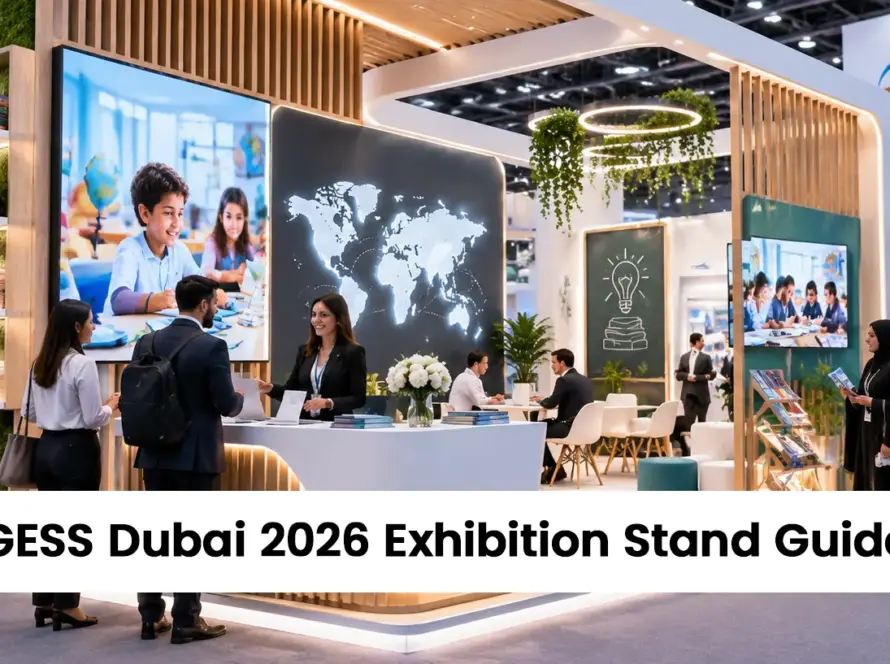
Designing a stand for machinery takes far more planning than putting together a booth for brochures, screens or small products. Industrial equipment needs enough floor space and safe operating conditions. It needs electrical connections. And it needs clear viewing areas so people can actually watch it work. Once live demonstrations come into the picture, the layout also has to make room for visitors without interrupting the demo itself.
If you’re exhibiting at trade shows in Dubai and across the UAE, effective exhibition stand design company for machinery does a lot of the heavy lifting. It shows what your equipment is capable of, gets potential buyers engaged and opens the door to proper technical conversations.
Manufacturing machinery, packaging equipment, automation systems, industrial tools: if you’re bringing any of these to a show, this guide explains how to plan a practical exhibition stand that supports live product demonstrations.
Why Machinery Exhibition Stands Need Special Planning
A standard product display only has to hold the product. Machinery exhibition stands have to hold the equipment and everything going on around it.
A machine can sit comfortably inside your allocated booth area and still need extra room for operators, visitors, maintenance access and safety barriers.
Take a packaging machine. It needs space for feeding in materials, space for collecting the finished products, and space for visitors to watch the process unfold.
Before you finalise a machinery exhibition stand design, think about:
- Machinery dimensions, weight and operating clearances
- Visitor viewing and demonstration areas
- Electrical and utility requirements
- Equipment loading and installation access
- Staff movement and maintenance access
- Safety barriers and emergency procedures
Sorting these out early means you won’t be making design changes once fabrication or installation is already underway.
How to Plan Exhibition Stand Space for Machinery and Live Demonstrations
Start by working out how much usable space your equipment really needs.
Measuring the machine’s footprint won’t cover it. You also have to account for the operating environment and the way visitors will interact with the demonstration.
1. Measure the Machinery Footprint
Note down the length, width, height and weight of every machine you plan to exhibit.
Say a machine measures 2 metres by 2 metres. Its physical footprint is 4 square metres. Once it’s running, though, it could need considerably more floor space than that.
Go through the manufacturer’s specifications for moving parts, service panels, material loading and the safety clearances it requires.
2. Create a Dedicated Demonstration Area
Keep the zone where the machinery operates apart from the space visitors use to move around.
A demonstration area should include:
- Space for equipment operators
- Safe viewing positions
- Access to operating controls
- Clear entry and exit routes
- Room for staff to answer technical questions
If the equipment has moving components, cutting mechanisms or produces heat, you may need proper guarding and physical separation.
3. Plan for Visitor Movement
Visitors should be able to walk up to the stand, follow what the demonstration is showing and leave again, all without crossing a machinery operating zone.
Try placing your main demo where it’s visible from the exhibition aisle, while keeping the people watching it inside your allocated stand.
Running a bigger demonstration? Scheduled sessions help you manage visitor numbers and stop the space from getting overcrowded.
Best Exhibition Stand Layouts for Heavy Machinery
There’s no one-size-fits-all answer here. The right layout comes down to the size of the machinery, what the demonstration needs and how many open sides your stand has.
Inline Exhibition Stands
Inline stands usually have a single open side facing the aisle.
They suit smaller industrial equipment or static machinery displays. Pushing the equipment toward the rear can free up more space at the front for talking to visitors.
You’ll still need to keep access clear for servicing and moving the machinery, though.
Corner Exhibition Stands
Corner stands are open on two sides, which gives you extra visibility and more potential access points.
That setup works well when you want the visitor entrance in one spot and the main demonstration viewing area in another.
Island Exhibition Stands
Island stands are open on all four sides, so there’s a lot of flexibility for larger machinery displays.
Install the equipment centrally, mark out viewing zones around it, and visitors can watch the demonstration from different directions.
Even so, the layout has to include suitable guarding, safe circulation and access for operators.
For large or specialised equipment, custom exhibition stands in Dubai give you more freedom with industrial exhibition stand design, especially when you’re planning machinery placement, branding and demonstration areas.
Electrical, Flooring and Equipment Installation Requirements
Go over the technical requirements before you lock in the exhibition stand design.
Machinery may need electrical connections, compressed air, water supplies, drainage or other services. Standard exhibition booths don’t come with these automatically.
Electrical Power Requirements
Check the machine’s voltage, phase, current, power consumption and connection requirements.
Some equipment needs three-phase power or its own dedicated electrical protection.
Arrange the right supply with qualified electrical professionals and the venue’s authorised service providers.
Floor Loading Capacity
Heavy machinery puts extra load on exhibition hall floors.
Confirm what your equipment weighs and whether the venue can support both its overall load and any concentrated loads.
The maximum permitted loading isn’t the same everywhere. It varies by venue, hall and event, and you may have to submit machine specifications and proposed locations for review.
Machinery Delivery and Installation
Large machines can need forklifts, lifting equipment or specialist transport.
Coordinate delivery schedules, loading bay access, equipment movement and installation with the organiser and approved contractors.
Don’t count on bringing machinery in through the standard visitor entrance.
How to Design Safe Visitor Movement Around Live Demonstrations
A successful live product demonstration booth lets visitors see the machinery at work without exposing them to unnecessary risk.
Important safety precautions:
- Segregated operating and viewing areas: Barriers or marked boundaries separate visitors from hazards.
- Provide clear sight lines: Place the machine where people can see the process without standing around hazardous moving parts.
- Clear pathways: Access routes should be free from cables, equipment materials or storage items.
- Demo sessions control: If the demo draws larger crowds, have a staff member control the flow of visitors.
- Arrange emergency access: Ensure emergency stops, isolation controls and the relevant exit routes are still accessible.
Your exhibition layout should also work for visitors with different accessibility needs.
However impressive a design looks, it should never come at the cost of safe machinery operation.
Technical Drawings and Venue Approval Requirements in Dubai
Planning machinery demonstrations at a Dubai venue? Read through the event-specific technical manual before you finalise your stand.
Depending on the exhibition and the equipment, organisers may ask for:
- Scaled exhibition stand drawings
- Machinery dimensions and weight specifications
- Structural calculations where necessary
- Electrical and utility requirements
- Risk assessments and method statements
- Equipment installation and removal plans
- Details of potentially hazardous demonstrations
At Dubai World Trade Centre, the venue’s health and safety requirements include provisions covering stand construction, machinery, electrical services, floor loading and safe operations.
Certain activities may need specific permits or written approval.
Requirements change from one exhibition and venue to the next. That’s why any exhibition stand design Dubai project should be checked against the latest rules with the event organiser and the relevant technical team.
Common Mistakes to Avoid When Designing Machinery Exhibition Stands
Even seasoned exhibitors can miss practical requirements when they’re planning an equipment-focused booth.
1. Choosing a Stand That Is Too Small
The machine might physically fit, but there may not be enough room left for operators and spectators.
2. Ignoring Equipment Weight
Skip confirming the floor loading capacity and you could run into installation problems or extra engineering requirements.
3. Blocking Visitor Access
Oversized reception counters, badly positioned machinery and furniture you don’t need can all restrict movement.
4. Overlooking Electrical Requirements
Too little power, or the wrong connections, can stop machinery from running during demonstrations.
5. Leaving Technical Approvals Until the Last Minute
Submit late and you could be looking at revisions, extra costs or installation delays.
One practical habit helps here: test the full demonstration layout before you approve production drawings.
How Exhibition Stand Builders in Dubai Can Help
Stands built around machinery usually need designers, engineers, installation contractors and equipment suppliers all working in step.
Experienced exhibition stand builders in Dubai are able to assist you in designing a layout that balances your branding with the equipment you need and visitor engagement.
They may be involved in:
- Stand planning based on machinery dimensions
- Development of 3D concepts and technical drawings
- Co-ordination of stand construction and installation
- Display screens and integration of lighting
- Venue coordination and technical documentation support
- Handling stand dismantling post exhibition
Make sure you have a clear brief before you ask for a quote. It should include your machinery specifications, exhibition space, demonstration objectives and technical requirements.
Our guide on how to write an exhibition stand design brief in Dubai explains what information to give to your stand design team.
Final Checklist for Machinery Exhibition Stand Design
Before you approve your exhibition stand make sure that:
- Correct weights and measurements of machinery.
- Required operating and maintenance clearances included.
- A clear, safe place for public viewing.
- Confirm the electrical and utilities requirements.
- Review of loading and installation arrangements for floors.
- Technical drawings and safety documentation are prepared.
- The relevant organiser and venue approvals are obtained.
- Live demonstrations are tested before the exhibition opens.
A well-planned machinery exhibition stand brings the technical requirements and an engaging visitor experience together.
Plan Your Machinery Exhibition Stand in Dubai
A machinery exhibition is your chance to show how your product performs, explain its technical features and connect with potential buyers.
Get the stand design right and visitors come away understanding your equipment, while your demonstrations stay safe and organised.
At Baharnani Exhibitions, we offer exhibition stand design, fabrication and installation solutions for businesses taking part in trade shows across Dubai and the UAE.
Need a custom stand for industrial machinery, manufacturing equipment or interactive product demonstrations? Our team can help you develop a layout that suits your exhibition requirements.
Planning an upcoming industrial exhibition?
Contact Baharnani Exhibitions to talk through your booth dimensions, machinery requirements and exhibition stand design.